Every time you slow down, your Chevrolet's brakes squeal. Maybe it only started this week, or maybe it's been there a while. Either way, you want to know whether it can wait until your next Chevrolet brake service.
A squeal usually means the brake pads are getting low. A vibration in the pedal or a red light on the dash is a different problem and calls for a different response.
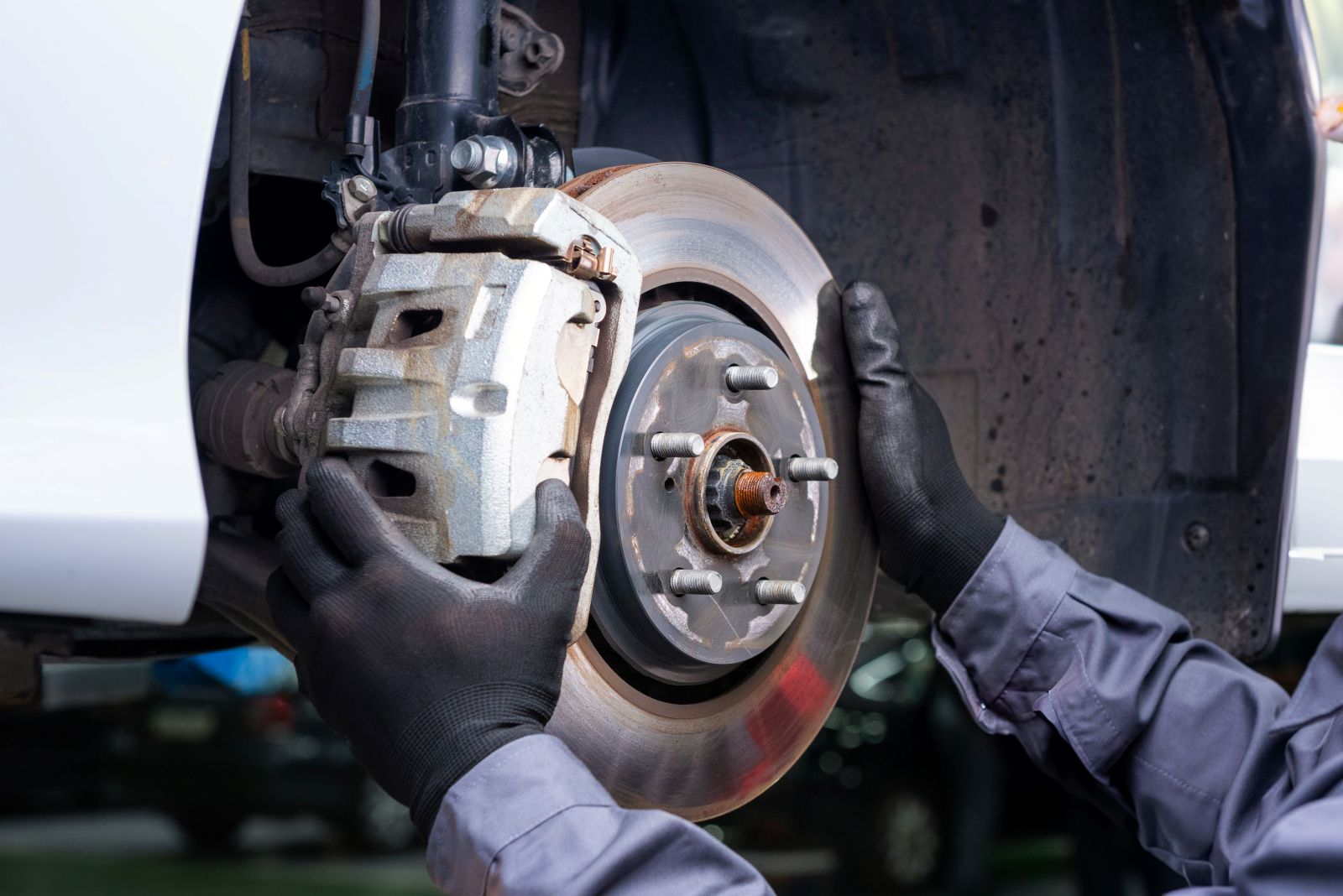
A chirp, squeal, or whistle when you brake usually means the wear indicators in your brake pads have been exposed. The indicators are metal tabs, and once the pads wear down to them, they rub against the rotors (the discs that spin with each wheel) and make the noise. When you hear it, it's time to get your brakes checked.
By then the pads have very little thickness left, so book the check soon.
Some Chevrolet vehicles also have a Brake Pad Life Monitor. It uses thickness sensors at the front and rear to estimate pad wear, and it displays a message in the Driver Information Center when service is needed. If that message appears, the brakes are due for service whether or not you've heard anything.
Grinding means the pads are worn thin and the brakes need attention right away. A vibrating pedal usually comes from the rotors, and a soft pedal points to a problem somewhere in the brake system.
| What you notice | What it can suggest | Best next step |
|---|---|---|
| A chirp, squeal, or whistle when you brake | The wear indicators in the pads are touching the rotors, which means the pads are low. | Schedule a brake inspection soon, before the pads wear down further. |
| Grinding when you brake | The pads have worn thin, with very little friction material left. | Schedule service right away, and limit your driving until the brakes are checked. |
| Vibration in the brake pedal when you brake | Warped rotors are the usual cause of a vibrating pedal. | Schedule an inspection. We inspect the rotors and tell you whether they can be resurfaced (machined smooth again) or need to be replaced. |
| The vehicle pulls to one side when you brake | Pads wearing unevenly from one side of the vehicle to the other, often because of a problem with the caliper, the clamp that presses the pads against the rotor. | Schedule an inspection soon so the pads and calipers can be checked. |
| A soft or spongy pedal, a pedal that goes farther than normal, or longer stopping distances | A problem in the brake system, which can include worn pads, a brake fluid leak, or another mechanical issue. | Book service right away and avoid long drives until it's checked. If the red BRAKE light is on too, stop as soon as it's safe. |
No. If the red BRAKE light comes on and stays on while you're driving, there's a problem with the brakes, or the brake fluid is low. Pull over as soon as it's safe and stop carefully. Your vehicle's speed may be limited, the pedal may be harder to push, and it may take longer to stop.
If the light is still on after you've stopped, have the vehicle towed in for service.
The light comes on briefly every time you start the vehicle, and that's normal. If it stays on after startup, the vehicle needs to be inspected before you drive it.
There's no set mileage for brake service, because wear depends on how and where you drive. That's why your brakes are inspected during every multi-point inspection.
Stop-and-go traffic and hard braking can shorten brake life, and pulling a trailer adds strain to the brake system. If you commute on I-24 toward Nashville, the congestion there means a lot of stop-and-go driving, which can wear pads faster. If you tow a boat to J. Percy Priest Lake, the trailer adds that strain every time you tow.
In either case, ask us to check your pad thickness at each visit, before the squeal starts.
It depends on how much pad is left and what condition the rotors are in, so we check both. Pads and rotors wear against each other. A rotor with cracks or grooves in its surface needs replacing, and for other rotor wear we'll tell you whether resurfacing is an option.
Pad material affects rotor life too. Pads with more metal in them are more abrasive, which creates more brake dust and wears rotors faster. Most Chevrolet vehicles use pads made without asbestos, also called ceramic pads, which form a thin layer on the pad and rotor surfaces that helps protect both.
Yes. We check the brake fluid during a brake inspection because it can absorb moisture, and moisture lowers the temperature at which the fluid boils. That reduces braking performance and can cause corrosion inside the brake system. If the fluid needs service, we'll tell you.
A puddle of clear-to-yellowish, oily fluid under your Chevrolet can be brake fluid. It can leak from a brake line, the master cylinder, or a caliper, so schedule service right away if you find one.
We start with an inspection of the whole system: pad thickness at the front and rear, rotor condition, calipers, hoses, the brake fluid lines for cracks and leaks, and the condition of the brake fluid. Our technicians are factory-trained and certified by Automotive Service Excellence (ASE), and the inspection tells us what your Chevrolet needs.
Depending on what we find, that can mean brake pad replacement, rotor resurfacing or replacement, brake fluid service, or a combination. Our brake service at Chevrolet Buick GMC of Murfreesboro uses manufacturer-recommended parts for each of these.